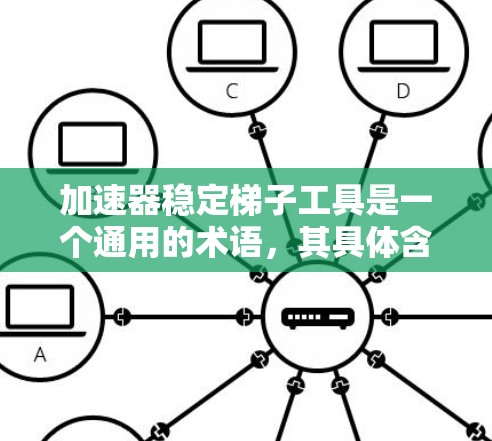

A Virtual Private Network (VPN) is a network that provides secure internet access from a client device to a central server, ensuring data security and privacy. Here's a structured overview of how VPNs function and their key components:
Functionality of VPNs
-
Encryption at Multiple Levels:
- Client Side Encryption: Data is encrypted using encryption algorithms like VpnSymmetricAlgorithm before being sent to the client. This ensures that even if the data reaches the central server, it remains secure.
- Central Server Encryption: The encrypted data is decrypted using the client's private key before being sent back to the central server.
- Central Server Encryption: The central server decrypts the data using its own encryption key, which is often asymmetric (public key for encryption, private key for decryption).
-
Role of the Firewall:
The firewall acts as a bridge, filtering and encrypting data as it passes through. It prevents unauthorized access and ensures secure data transmission.
-
Security Features:
- Data Protection: Data is encrypted at all stages, protecting it from interception and theft.
- Automated Security: Central systems monitor and manage the network, including updates for software and virus patches.
- Key Management: The private key is securely managed, often stored in a secure location, ensuring its integrity and confidentiality.
Components of a VPN
- Client Device: The device from which internet access is made.
- Central Server: The central point where data is stored and decrypted.
- Firewall: Protects the network, filtering access and encrypting data on the fly.
Types of VPNs
- Public and Private Key VPNs: Public key VPNs use asymmetric encryption with a public and private key, while private key VPNs use symmetric encryption with a single key for encryption and decryption.
Industry Applications
- Business: For accessing internet from far distances or for sensitive operations.
- Individual: For online browsing, streaming, and other internet-connected activities.
- Government: For national security and secure communication.
Management and Challenges
- Central System Monitoring: Ensures data security and manages access rights.
- Key Management: Protects the private key, crucial for decryption.
Conclusion
VPNs provide secure internet access by encrypting data in multiple layers and managing access through central systems. They rely on encryption algorithms, key management, and robust security measures to protect sensitive data. Understanding the technical aspects and various types of VPNs enhances their effectiveness in different contexts.