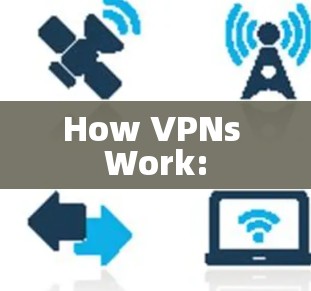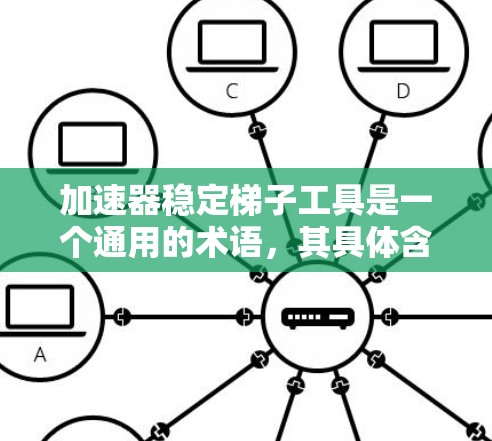
A VPN (Virtual Private Network) is a tool that allows you to connect to a private network while staying on your home or work computer. It encrypts your internet connection, making your browsing and communication secure. Here's a brief overview of how it works and some important points to consider when using a VPN:
- VPN Connection: A VPN creates a virtual private network that you can connect to. It encrypts your internet traffic, making it appear as if you're connecting to a remote server or a private network.
- Encryption: VPNs use encryption to secure the data you share over the network. This means your browser and any applications you use are encrypted, so your online activities are protected.
- Proxy Servers: Some VPNs use proxy servers to hide your IP address from the public Wi-Fi. This can make it harder for others to track your internet activity.
Types of VPNs:
There are several types of VPNs, including:
- HTTP VPNs: These use a public Wi-Fi connection and do not use proxy servers.
- HTTPS VPNs: These use a private connection and use HTTPS, making them secure for website-based browsing.
- IPsec VPNs: These use a private IP address and provide end-to-end encryption, making them highly secure.
Key Features:
- Secure Browsing: Your browsing is encrypted, so you can't see the content or your IP address.
- Privacy: You can access websites and applications from anywhere, even if you're not connected to the internet.
- Real-Time Updates: Your browsing history is updated in real-time, and you can easily switch between different websites.
Risks and Caution:
- Phishing and Malware: Be cautious of websites that claim to be secure but may be phishing attempts or installed malware.
- Data Breaches: While modern VPNs are becoming more secure, there can still be vulnerabilities, and data breaches are a global concern.
- Speed and Latency: Some VPNs may have slower speeds or higher latency, which could affect your browsing experience.
Choosing a VPN:
When choosing a VPN, consider:
- Security: Look for reputable VPN providers known for their security features.
- Speed: Ensure the VPN has fast speeds to avoid delays in your browsing.
- User-friendliness: Some VPNs have a more user-friendly interface or settings that make them easier to use.
- Privacy: Check if the VPN provides full privacy protection or if it's just a shadow network.
Using a VPN:
To use a VPN:
- Download and Install: Download a free or paid VPN from a reputable website.
- Configure: Set up your account with your preferred settings, such as proxy servers or encryption.
- Use: Connect to a website or application you want to browse or use.
Using a VPN helps protect your online activities by encrypting data and ensuring your browsing experience is secure. Always stay informed about the latest security measures and updates from VPN providers.